Description


A diary of my mothing activity covering highlights and photos from my moth trapping activities. Mainly Norfolk (UK), occasionally beyond. I may mention other wildlife sightings here, especially insects, but for birds see my birding diary.
Showing posts with label Phyllonorycter rajella. Show all posts

Saturday, 20 February 2021

Review of 2019 and 2020 - Moths: Slenders and Midgets (Gracillariidae) (part 6: Phyllonorycter III)

SLENDERS and MIDGETS (GRACILLARIIDAE) (continued)


Dark Hornbeam Midget Phyllonorycter esperella - It took me a while to realise that the hedgerow trees by the chapel ruins were Hornbeams but once I figured that out I was able to re-visit and identify the leaf-mine I recorded on them in September 2019.  There were 3 more (at least 2 occupied) in September 2020.

leaf-mine of Dark Hornbeam Midget Phyllonorycter esperella, North Elmham Cathedral Meadows, 30th September 2019


leaf-mines and larvae of Dark Hornbeam Midgets Phyllonorycter esperella, North Elmham Cathedral Meadows, 16th September 2020


Grey Alder Midget Phyllonorycter strigulatella - None.  I've never seen this species and I think it's quite scarce in Norfolk, but it's been recorded near here (Beetley area) so there must be half a chance of me catching one here.


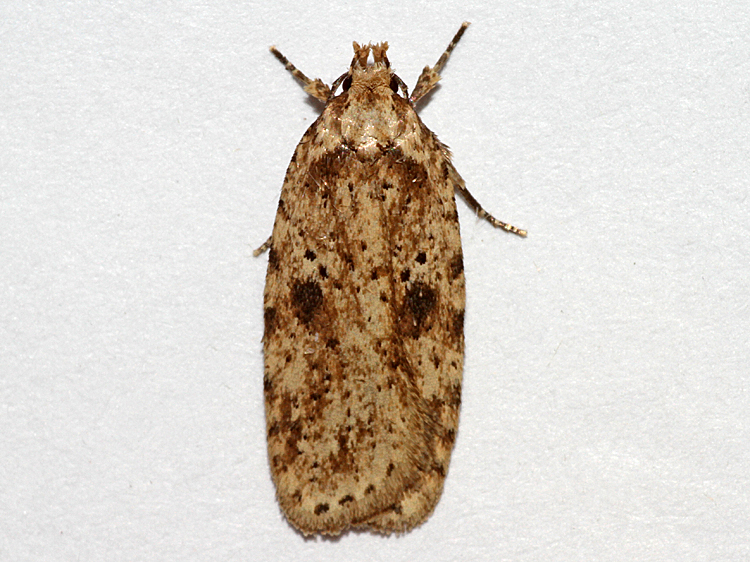
Common Alder Midget Phyllonorycter rajella - An exception 3 caught in my garden moth trap on 26th June 2020 and one more on 12th August.  I've only ever caught 3 here before, singles in 2014, 2016 and 2017.  At least 4 leaf-mines at Gypsy Lane (Brancaster) on 14th October 2020.


female Common Alder Midgets Phyllonorycter rajella, North Elmham, 26th June 2020


female Common Alder Midget Phyllonorycter rajella, North Elmham, 12th August 2020


Small Birch Midget Phyllonorycter anderidae - None.  A scarce species in Norfolk but a couple of records in central Norfolk and its foodplant grows in my front garden so hopefully I'll find one round here someday.


Fiery Oak Midget Phyllonorycter lautella - None.  I've not found this species locally yet - cracking little moths so look forward to when I do.


Small Elm Midget Phyllonorycter schreberella - One in my garden moth trap on 30th July 2020 was my first ever, and what a sparkling little beauty was! 
 
Update 2025: Beauty it might have been but with that orange tuft on the vertex, schreberella it was not!  I clearly messed this one up, and looking back I think it has to be klemannella


NOT Small Elm Midget Phyllonorycter schreberella, North Elmham, 30th July 2020


Red Birch Midget Phyllonorycter ulmifoliella - 3 in my garden trap between 25th and 31st July 2019 and 4 between 26th July and 5th August 2020.  I had 3-4 in each of 2017 and 2018 too.


male Red Birch Midget Phyllonorycter ulmifoliella, North Elmham, 31st July 2019


female Red Birch Midget Phyllonorycter ulmifoliella, North Elmham, 26th July 2020


male Red Birch Midget Phyllonorycter ulmifoliella, North Elmham, 4th August 2020


male Red Birch Midget Phyllonorycter ulmifoliella, North Elmham, 5th August 2020


Large Midget Phyllonorycter emberizaepennella - None.  I've never seen this species but although it hasn't been recorded locally it's widespread enough that it ought to be here.


Elm Midget Phyllonorycter tristrigella - One on 5th August 2020.  I've only seen this species twice before, both here in 2018.

female Elm Midget Phyllonorycter tristrigella, North Elmham, 5th August 2020


Small Alder Midget Phyllonorycter stettinensis - 4 mines at Gypsy Lane, Brancaster in October 2020 were my only record.  I have caught this species at home a couple of times but not since 2016.


Broad-barred Midget Phyllonorycter froelichiella - None.  I've not recorded this here yet but it's not far away (I've found it at Beetley Common) so future records could be expected.


Red Hazel Midget Phyllonorycter nicellii - 3 trapped here between 1st and 9th August 2019, the third consecutive year that I've recorded 3 here, and then an unprecedented 10 here between 30th July and 20th August 2020 (including 3 on 10th August).

male Red Hazel Midget Phyllonorycter nicellii, North Elmham, 4th August 2019


male Red Hazel Midget Phyllonorycter nicellii, North Elmham, 9th August 2019


female Red Hazel Midget Phyllonorycter nicellii, North Elmham, 30th July 2020


male Red Hazel Midgets Phyllonorycter nicellii, North Elmham, 10th August 2020


male Red Hazel Midget Phyllonorycter nicellii, North Elmham, 15th August 2020


Dark Alder Midget Phyllonorycter klemannella - None.  I've only caught this one at home once, in 2018.


Honeysuckle Midget Phyllonorycter trifasciella - One in my garden trap on 16th July was new for the garden.  None in 2020.

Honeysuckle Midget Phyllonorycter trifasciella, North Elmham, 16th July 2019


Next page: more Gracillariidae


Wednesday, 6 September 2017

New Knot-horn

The night of Wednesday 19th July produced another century - 100 species of moth.  The highlight was a Thicket Knot-horn Acrobasis suavella.  This was the first I'd ever trapped, so a very welcome find.  Actually it was already on my list, but shouldn't have been - I'd seen one in a pot once in circumstance where I wouldn't normally 'tick' it.  I often worry that I might be overlooking this species among the very common and somewhat similar Grey Knot-horns Acrobasis advenella, and dissect a few of those each year to double-check.  The most often-cited difference given in various online references is size but there is a lot of overlap (suavella is given as 22-24mm while advenella is given as 18-24mm, so you presumably couldn't positively identify suavella on size alone).  There are other differences in the wing pattern given in some references (e.g. the micros field guide) but these can be hard to assess on worn specimens.  This one wasn't too worn and I found it very distinctive - much more so than I expected.  I dissected it just to dot the i's and cross the t's but it was pretty obvious it was going to be suavella as soon as I clapped eyes on it.

Thicket Knot-horn Acrobasis suavella (male, gen det), North Elmham, 19th July


This White-border Neb Isophrictis striatella was also new for the house and only my second ever (I added it to my previous house list shortly before moving out in 2014).  A smart and distinctive gelechiid.

White-border Neb Isophrictis striatella, North Elmham, 19th July


A Juniper Argent Argyresthia dilectella was a good record - I'd seen my first here last year but there has only been one other Norfolk record in the last 9 years.

Juniper Argent Argyresthia dilectella, North Elmham, 19th July


Although I'd seen them previously at both this house and the last there have only ever been 13 county records of Mouse-ear Groundling Caryocolum fraternella, so nice to get another one.

Mouse-ear Groundling Caryocolum fraternella (male, gen det), North Elmham, 19th July


I didn't immediately recognise this distinctive-looking Phyllonorycter but eventually worked out that it was Common Alder Midget Phyllonorycter rajella.  The brown (not orange) ground colour is apparently quite frequent with this species, though not shared by all examples.  It was another new species for the year.

Common Alder Midget Phyllonorycter rajella (male, gen det), North Elmham, 19th July


House Groundling Bryotropha domestica and Chequered Fruit-tree Tortrix Pandemis corylana were also new for the year.  Other micros included Bird’s-nest Moth Tinea trinotella, Beech Midget Phyllonorycter maestingella, 3 Horse Chestnut Leaf-miners Cameraria ohridella, Willow Bent-wing Phyllocnistis saligna, 26 Bird-cherry Ermines Yponomeuta evonymella, 3 Little Ermels Swammerdamia pyrella, Common Oak Case-bearer Coleophora lutipennella, 2 Golden-brown Tubics Crassa unitella, 6 Small Dingy Tubics Borkhausenia fuscescens, 2 Brown House Moths Hofmannophila pseudospretella, 2 Long-horned Flat-bodies Carcina quercana, Common Flat-body Agonopterix heracliana, Common Groundling Teleiodes vulgella, Dark Groundling Bryotropha affinis, 3 Cinereous Groundlings Bryotropha terrella, Gorse Crest Brachmia blandella, 3 Orange Crests Helcystogramma rufescens, Dingy Dowd Blastobasis adustella, Common Cosmet Mompha epilobiella, Hook-marked Straw Moth Agapeta hamana, Burdock Conch Aethes rubigana, 5 Dark Fruit-tree Tortrixes Pandemis heparana, Light Brown Apple Moth Epiphyas postvittana, Grey Tortrix Cnephasia stephensiana, 2 Dover Shades Cnephasia genitalana, 2 Maple Buttons Acleris forsskaleana, 2 White-triangle Buttons Acleris holmiana, Garden Rose Tortrix Acleris variegana, Barred Marble Celypha striana, 3 Holly Tortrixes Rhopobota naevana, Common Cloaked Shoot Gypsonoma dealbana, Hoary Bell Eucosma cana, Acorn Piercer Pammene fasciana, 5 Garden Grass-veneers Chrysoteuchia culmella, Grass-veneer Crambus pascuella, 31 Pearl Veneers Agriphila straminella, 3 Common Grass-veneers Agriphila tristella, 3 Pearl Grass-veneers Catoptria pinella, 5 Little Greys Eudonia lacustrata, Ringed China-mark Parapoynx stratiotata, Garden Pebble Evergestis forficalis, Elder Pearl Anania coronata, 25 Mother of Pearls Pleuroptya ruralis, 3 Rosy Tabbies Endotricha flammealis, Dotted Oak Knot-horn Phycita roborella and White Plume Pterophorus pentadactyla.

Common Groundling Teleiodes vulgella, North Elmham, 19th July


There was nothing new for the year among the macros but a good variety nevertheless including Small Scallop, Purple Thorn and Cream-bordered Green Pea.  The others, including 3 species of Hawk-moth and 4 species of Prominent, were 2 Chinese Characters, Large Emerald, 2 Blood-veins, 10 Small Fan-footed Waves, 14 Single-dotted Waves, 7 Riband Waves, 3 Red Twin-spot Carpets, Large Twin-spot Carpet, Common Carpet, Brimstone Moth, Canary-shouldered Thorn, 3 Early Thorns, 2 Scalloped Oaks, 3 Willow Beauties, Privet Hawk-moth, Poplar Hawk-moth, 3 Elephant Hawk-moths, Pebble Prominent, Swallow Prominent, 2 Coxcomb Prominents, 2 Pale Prominents, 3 Yellow-tails, Black Arches, 7 Rosy Footmen, 18 Dingy Footmen, 4 Scarce Footmen, 12 Common Footmen, 2 Buff Ermines, 2 Flame Shoulders, 2 Large Yellow Underwings, Double Square-spot, Nutmeg, Clay, 3 Smoky Wainscots, 2 Dun-bars, 3 Dark Arches, 2 Common Rustics, Lesser Common Rustic, 2 Dusky Sallows, Ear Moth, 7 Uncertains, 4 Nut-tree Tussocks, Straw Dot and Snout.

Lesser Common Rustic (male, gen det), North Elmham, 19th July


There was a good haul of other insects too.  A Pale Evening Dun Procloeon bifidum was the only Mayfly but lacewings consisted of 6 Cunctochrysa albolineata, 4 Dichochrysa flavifrons and a Micromus variegatus.  Caddisflies included 2 Hydropsyche siltalai, 2 Hydropsyche pellucidula and a Leptocerus tineiformis.

Bugs were better - as well as 3 Birch Shieldbugs, Forest Bug and the leafhopper Iassus lanio there were 3 new species for the year: the splendid Campyloneura virgula, a Tarnished Plant Bug Lygus rugulipennis and the leafhopper with a sad face pattern on its scutellum, Lamprotettix nitidulus.

Campyloneura virgula, North Elmham, 19th July


Tarnished Plant Bug Lygus rugulipennis, North Elmham, 19th July


Lamprotettix nitidulus, North Elmham, 19th July


There were as many beetles with Ilybius fuliginosus, 6 Bradycellus verbascis, Aphodius rufipes, Rhagonycha fulva, Lagria hirta and another which I've spent too long attempting to key out and have put to one side to look at again after I've caught up with everything else.

Bradycellus verbascis, North Elmham, 19th July


The following night was dead by comparison - just 43 moths of 27 species!  They were 2 Bird-cherry Ermines Yponomeuta evonymella, Little Dwarf Elachista canapennella, Dark Groundling Bryotropha affinis, Dingy Dowd Blastobasis adustella, Plain Conch Phtheochroa inopiana, Light Brown Apple Moth Epiphyas postvittana, Garden Rose Tortrix Acleris variegana, Pearl Veneer Agriphila straminella, 2 Small Greys Eudonia mercurella, Common Plume Emmelina monodactyla, Large Emerald, 2 Single-dotted Waves, 3 Early Thorns, 2 Scalloped Oaks, Poplar Hawk-moth, Pebble Prominent, Coxcomb Prominent, Brown-tail, Yellow-tail, 4 Common Footmen, 5 Buff Ermines, Ruby Tiger, Nutmeg, Cloaked Minor, 2 Uncertains, Mottled Rustic and 3 Nut-tree Tussocks.

It was equally poor for other insects with just one caddisfly (Limnephilus marmoratus) and one beetle (Brown Chafer) recorded.   Fortunately this was just a temporary blip and things warmed up again the next day - more on that later...

Wednesday, 9 November 2016

3 lifers in 3 nights and frogs after my moths

My last post covered 5th September, a good night by September standards for numbers, variety and scarcity.  Well 6th September was a similar story, except instead of two 'seconds' there were two 'firsts' - new moths for me.  The first was immediately recognised as Barred Smudge Ypsolopha alpella, one I'd been keeping an eye out for.  Not hugely scarce, though having said that there is only one record showing on Norfolk Moths for 2014-2016 so far.  The second resembled certain Epinotia species and it took slightly longer for the penny to drop that it was in fact Brindled Shoot Gypsonoma minutana.  There are only 10 Norfolk records, mostly recent and half from one individual, so a decent one to find at home.


Brindled Shoot Gypsonoma minutana (female), North Elmham, 6th September


Barred Smudge Ypsolopha alpella, North Elmham, 6th September


Common Alder Midget Phyllonorycter rajella was new for the year and a species I don't see all that often.

Common Alder Midget Phyllonrycter rajella, North Elmham, 6th September


Other micros were New Oak Slender Caloptilia robustella, Garden Midget Phyllonorycter messaniella, Horse Chestnut Leaf-miner Cameraria ohridella, Orchard/Apple/Spindle Ermine Yponomeuta sp., 4 Diamond-back Moths Plutella xylostella, Brindled Flat-body Agonopterix arenella, House Groundling Bryotropha domestica, 10 Light Brown Apple Moths Epiphyas postvittana, 6 Garden Rose Tortrixes Acleris variegana, 5 Common Marbles Celypha lacunana, Elbow-stripe Grass-veneer Agriphila geniculea, Water Veneer Acentria ephemerella, 2 Marsh Greys Eudonia pallida, 9 Narrow-winged Greys Eudonia angustea, Rusty-dot Pearl Udea ferrugalis, Mother of Pearl Pleuroptya ruralis and Common Plume Emmelina monodactyla.

Brindled Flat-body Agonopterix arenella, North Elmham, 6th September


The macros included 2 Pinion-streaked Snouts, bringing my total for the year to 7 (5 at home) - suggesting they've had a good year given that I'd only seen 2 in Norfolk previously.

Other macros were Chinese Character, Small Blood-vein, Single-dotted Wave, 2 Garden Carpets, Common Marbled Carpet, 2 Grey Pine Carpets, 22 Green Carpets, Double-striped Pug, 23 Brimstone Moths, 7 Dusky Thorns, 14 Light Emeralds, Ruby Tiger, 3 Flame Shoulders, 14 Large Yellow Underwings, 6 Lesser Yellow Underwings, 6 Setaceous Hebrew Characters, 9 Square-spot Rustics, Cabbage Moth, 7 Common Wainscots, Centre-barred Sallow, Copper Underwing agg., Mouse Moth, Flounced Rustic, 3 Frosted Oranges, 2 Burnished Brasses, 7 Straw Dots and 16 Snouts.

Common Marbled Carpet, North Elmham, 6th September


There were 4 species of Lacewing again - 4 Chrysoperla carnea (1 male and 3 presumed females), Cunctochrysa albolineata, 2 Dichochrysa flavifrons and Hemerobius lutescens.  Interestingly one of the Chrysoperla had atypical wing venation.  The genus is normally identified by the position of vein RMCV in relation to cell IMC, but this individual didn't have a cell IMC!  It was the same on both wings.

Chrysoperla carnea agg. (female), North Elmham, 6th September


Bugs consisted of 7 Birch Shieldbugs and 4 Forest Bugs.

Next day the highlight was another Butterbur, amazingly my third this autumn.

Butterbur, North Elmham, 7th September


Otherwise it was quieter than the previous two nights: New Oak Slender Caloptilia robustella, 2 Diamond-back Moths Plutella xylostella, Brown House Moth Hofmannophila pseudospretella, 9 Light Brown Apple Moths Epiphyas postvittana, 3 Garden Rose Tortrixes Acleris variegana, 2 Elbow-stripe Grass-veneers Agriphila geniculea, Marsh Grey Eudonia pallida, 8 Narrow-winged Greys Eudonia angustea, Rusty-dot Pearl Udea ferrugalis, Gold Triangle Hypsopygia costalis, Common Plume Emmelina monodactyla, Chinese Character, Common Marbled Carpet, 13 Green Carpets, Double-striped Pug, 8 Brimstone Moths, 7 Dusky Thorns, 4 Light Emeralds, Ruby Tiger, 2 Flame Shoulders, 9 Large Yellow Underwings, 5 Lesser Yellow Underwings, Small Square-spot, 5 Setaceous Hebrew Characters, 5 Square-spot Rustics, 2 Common Wainscots, 2 Mouse Moths, 2 Flounced Rustics, Frosted Orange, 2 Vine's Rustics, 6 Straw Dots and 17 Snouts.

Found this hoverfly in the garden on 8th, Helophilus hybridus.

Helophilus hybridus, North Elmham, 8th September


The best moth that night was inside the house, not in the moth trap: a Common Clothes Moths Tineola bisselliella.  In the days before central heating and when we wore mainly natural-fibre clothes this species was considered a pest.  Now it has declined to such an extent that there was only one record in the Norfolk Moths database prior to 2014.  A mini-spate of recent records is surprising but this still appears to be only the 5th record for the county.

 Common Clothes Moth Tineola bisselliella (male, gen det), North Elmham, 8th September


Nothing so exciting in the trap... Large Fruit-tree Tortrix Archips podana, 3 Light Brown Apple Moths Epiphyas postvittana, 3 Garden Rose Tortrixes Acleris variegana, 2 Common Marbles Celypha lacunana, Elbow-stripe Grass-veneer Agriphila geniculea, 8 Narrow-winged Greys Eudonia angustea, 3 Rusty-dot Pearls Udea ferrugalis, White Plume Pterophorus pentadactyla, Common Plume Emmelina monodactyla, Blood-vein, Garden Carpet, Common Carpet, 2 Common Marbled Carpets, Grey Pine Carpet, 5 Green Carpets, Double-striped Pug, 14 Brimstone Moths, 5 Dusky Thorns, 7 Light Emeralds, Ruby Tiger, 5 Flame Shoulders, 6 Large Yellow Underwings, 2 Lesser Yellow Underwings, Small Square-spot, 4 Setaceous Hebrew Characters, Square-spotted Clay, 8 Square-spot Rustics, Cabbage Moth, 4 Common Wainscots, Centre-barred Sallow, 6 Flounced Rustics, Rosy Rustic, Frosted Orange, 2 Vine's Rustics, 3 Straw Dots and 28 Snouts.

Square-spotted Clay, North Elmham, 8th September


Rosy Rustic, North Elmham, 8th September


There were 2 Common Frogs on the sheet by the moth trap when I inspected it on the evening of 9th September.  I didn't see them eating any moths but got the distinct impression they were there to catch moths and not just passing.  Hope they didn't eat anything rare.


Common Frogs, North Elmham, 9th September


The best moth in the trap was this new-for-the-garden Red Birch Midget Phyllonorycter ulmifoliella.

Red Birch Midget Phyllonorycter ulmifoliella (male, gen det), North Elmham, 9th September


 Yet another Marsh Dwarf Elachista alpinella was notable too.

Marsh Dwarf Elachista alpinella (male, gen det), North Elmham, 9th September


Other moths were Common Nettle-tap Anthophila fabriciana, 4 Diamond-back Moths Plutella xylostella, Dingy Dowd Blastobasis adustella, 5 Light Brown Apple Moths Epiphyas postvittana, 3 Garden Rose Tortrixes Acleris variegana, 3 Common Marbles Celypha lacunana, 2 Elbow-stripe Grass-veneers Agriphila geniculea, 7 Narrow-winged Greys Eudonia angustea, 3 Rusty-dot Pearls Udea ferrugalis, Mother of Pearl Pleuroptya ruralis, Orange Swift, 2 Blood-veins, Dark-barred Twin-spot Carpet, 2 Garden Carpets, Common Carpet, 5 Common Marbled Carpets, Grey Pine Carpet, Green Carpet, 10 Brimstone Moths, Canary-shouldered Thorn, 2 Dusky Thorns, 5 Light Emeralds, Ruby Tiger, 2 Flame Shoulders, 16 Large Yellow Underwings, 7 Lesser Yellow Underwings, 2 Small Square-spots, 11 Setaceous Hebrew Characters, 6 Square-spot Rustics, 5 Common Wainscots, 4 Flounced Rustics, 2 Rosy Rustics, 2 Burnished Brasses, Straw Dot and 37 Snouts.

Here are the Rosy Rustics alongside the Butterbur from a couple of nights previous.

 Butterbur from 7th September flanked by 2 Rosy Rustics, North Elmham, 9th September


Bugs consisted of 2 Birch Shieldbugs, 2 Forest Bugs and a new one for me: Pantilius tunicatus.

Pantilius tunicatus, North Elmham, 9th September