Description


A diary of my mothing activity covering highlights and photos from my moth trapping activities. Mainly Norfolk (UK), occasionally beyond. I may mention other wildlife sightings here, especially insects, but for birds see my birding diary.
Showing posts with label Small Wainscot. Show all posts

Sunday, 15 October 2017

A rare new moth for Norfolk at Surlingham

On Saturday 26th August the Norfolk Moth Survey went to Brickyard Fen at Surlingham, close to the Ted Ellis reserve.  The weather was ok-ish and the habitat looked interesting so we were keen to see what we might catch.  It proved to be an excellent night with lots of interesting moths including three that were new to me.

The best of these was a fantastic find, picked out of Garry's trap it was passed round the group of us to look at.  I was last in line this time and had to listed to person after person deliberating over it, and struggling to put a name to it.  I was keen to see it - it sounded interesting!  Finally it reached me and I agreed with others that it looked like a Gynnidomorpha sp. or something similar, but not a species I recognised either.  A quick look at the British Moths app on my phone came up with a good match for Coast Conch Gynnidomoprha permixtana but the range map suggested that this species did not occur in East Anglia.  I had no internet connectivity here so couldn't investigate any further and took the moth home to have a more careful look.

Back at home a closer look and further investigation confirmed that it did indeed look like permixtana, but this would be a very significant record.  I found a picture of Gynnidomorpha vectisana that looked pretty close and deduced that this could not be positively ruled out without dissection.  Vectisana is fairly unlikely here, being a coastal species, but perhaps more likely than a species that hadn't been recorded in East Anglia before!  I couldn't find any other serious contenders though I couldn't be 100% sure that certain other species couldn't ever look like this.  Now it needed the chop to determine, but it wasn't entirely clear to me whether I would be able to resolve it even then - the differences in genitalia aren't huge.  One little bit of the genitalia has stout hairs on its tip in one species and fine bristles on the other species.  Would I be able to tell the difference between a stout hair and a fine bristle?  I wasn't sure, but by comparing what I could see with images on the internet I was now almost completely sure that we were indeed dealing with permixtana.  However, I thought I'd best get it checked out so sent photos to Jon Clifton for his advice.  He was pretty sure too, but in view of the significance of the record he forwarded my photos to Bob Heckford who is an expert on the species.  In the meantime Stuart reminded me of what I had forgotten he had said on the night, that there was a large amount of Red Bartsia growing at the site, one of permixtana's favourite foodplants. Finally we heard back from Bob... it was indeed Gynnidomorpha permixtana!


Coast Conch Gynnidomorpha permixtana (male, gen det, confirmed by J Clifton/B Heckford), Surlingham Brickyard Fen, 26th August


Far less unusual but still new moths for me were White-bodied Conch Cochylis hybridella and Spindle Knot-horn Nephopterix angustella.

White-bodied Conch Cochylis hybridella, Surlingham Brickyard Fen, 26th August


Spindle Know-horn Nephopterix angustella, Surlingham Brickyard Fen, 26th August


Other good records included 2 Large Lance-wings Epermenia falciformis, Oblique Carpet, Balsam Carpet, Bordered Beauty, Vapourer, 2 Crescents and 6 Webb's Wainscots.

Balsam Carpet, Surlingham Brickyard Fen, 26th August


There was quite a bit of discussion about the ID of this Gold Spot with at least one person seemingly convinced it was Lempke's Gold Spot.  I wasn't convinced, but hoped he was right as it is a species I can't seem to find, so took it home to dissect and confirm.  Sadly it was just a Gold Spot (one of 5, not that I retained any more but we were all agreed about the others).

Gold Spot (male, gen det), Surlingham Brickyard Fen, 26th August


The other moths I saw were these (as usual for events like this the counts are the mimimum number I could remember seeing - there were probably lots more): Cork Moth Nemapogon cloacella, Golden Argent Argyresthia goedartella, 4 Triple-spot Dwarfs Elachista maculicerusella, 2 Hook-marked Straw Moths Agapeta hamana, 4 Cyclamen Tortrixes Clepsis spectrana, 8 Light Brown Apple Moths Epiphyas postvittana, 20 Common Marbles Celypha lacunana, 2 Smoky-barred Marbles Lobesia abscisana, 2 Rush Marbles Bactra lancealana, Grey Poplar Bell Epinotia nisella, Wainscot Veneer Chilo phragmitella, Bulrush Veneer Calamotropha paludella, 3 Pearl Veneers Agriphila straminella, 2 Common Grass-veneers Agriphila tristella, Ground-moss Grey Eudonia truncicolella, 5 Brown China-marks Elophila nymphaeata, Mother of Pearl Pleuroptya ruralis, 2 Orange Swifts, 4 Chinese Characters, 2 Lesser Cream Waves, Common Carpet, Yellow Shell, 2 Common Marbled Carpets, 4 Green Carpets, Currant Pug, Clouded Border, 5 Brimstone Moths, 3 Dusky Thorns, 2 Willow Beauties, Engrailed, Common White Wave, 2 Common Waves, 5 Light Emeralds, Round-winged Muslin, Dingy Footman, 2 Ruby Tigers, Shuttle-shaped Dart, Flame, 10 Flame Shoulders, 25 Large Yellow Underwings, 2 Broad-bordered Yellow Underwings, 10 Lesser Broad-bordered Yellow Underwings, Small Square-spot, 25 Setaceous Hebrew Characters, 6 Six-striped Rustics, 10 Square-spot Rustics, Cabbage Moth, Bright-line Brown-eye, 2 White-points, 2 Common Wainscots, Grey Dagger, 4 Copper Underwings, 3 Angle Shades, 2 Small Wainscots, Rosy Rustic, Vine's Rustic, 3 Burnished Brasses, 8 Spectacles, Red Underwing, 3 Straw Dots, 4 Snouts and Pinion-streaked Snout.

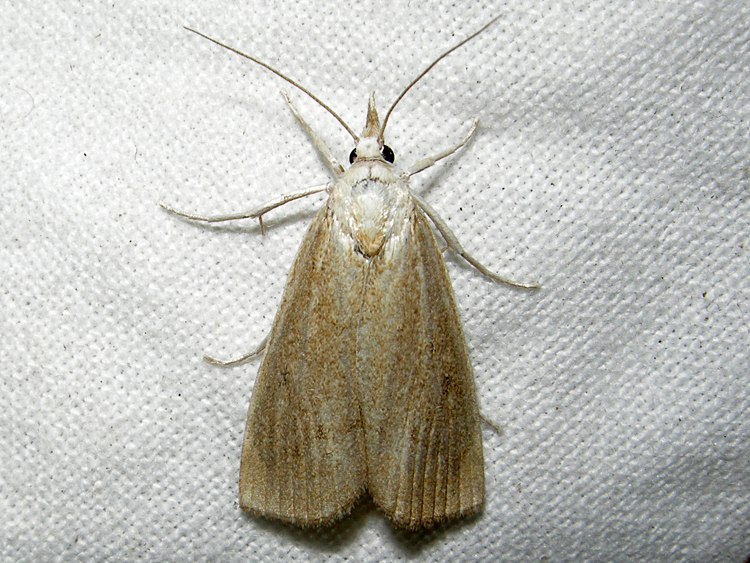
Small Wainscot, Surlingham Brickyard Fen, 26th August


Two leafhoppers both proved to be new species for me: Macrosteles viridigriseus and Eupteryx aurata.  Other insects included 3 Pond Olives Cloeon dipterum, Slender Groundhopper, Birch Shieldbug and Forest Bug.

Macrosteles viridigriseus, Surlingham Brickyard Fen, 26th August


Eupteryx aurata, Surlingham Brickyard Fen, 26th August


After all that I might have expected a reasonable night at home, but it was rubbish! Little Dwarf Elachista canapennella, 2 Garden Rose Tortrixes Acleris variegana, 5 Common Marbles Celypha lacunana, 2 Common Grass-veneers Agriphila tristella, 3 Elbow-stripe Grass-veneers Agriphila geniculea, Single-dotted Wave, Brimstone Moth, 3 Willow Beauties, 2 Large Yellow Underwings, Lesser Yellow Underwing, 2 Small Square-spots, 2 Setaceous Hebrew Characters, 2 Square-spot Rustics, 4 Common Wainscots, 5 Flounced Rustics and Rosy Rustic.  Also the mayflies Pond Olive Cloeon dipterum and Blue-winged Olive Serratella ignita, the caddisflies Hydropsyche pellucidula and Grouse Wing Mystacides longicornis and the beetles Black Clock Beetle Pterostichus madidus and 2 Aphodius rufipes.

Perhaps one reason there weren't many moths at home was this frog... They've been becoming more adventurous, starting off sitting on the sheet round the outside of the trap, then hopping up on top of the trap and it was only a matter of time before I found one inside the trap.

Common Frog, North Elmham, 26th August


Potentially the best moth the following night escaped before I could confirm it.  I wondered if it was a Pearly Underwing as it appeared to show a bit of a thoracic crest, but this wasn't particularly clear and in hindsight I feel it was more likely just a Turnip Moth (either way it would have been new for the year).  Other moths were Light Brown Apple Moth Epiphyas postvittana, 3 Garden Rose Tortrixes Acleris variegana, 2 Common Marbles Celypha lacunana, 2 Elbow-stripe Grass-veneers Agriphila geniculea, Chinese Character, Blood-vein, 3 Single-dotted Waves, Dusky Thorn, Willow Beauty, 2 Light Emeralds, 4 Lesser Yellow Underwings, Small Square-spot, 2 Six-striped Rustics, 3 Common Wainscots, 5 Flounced Rustics, Rosy Rustic and 2 Burnished Brasses. Also Blue-winged Olive Serratella ignita, Limnephilus lunatus and Aphodius rufipes.

Thursday, 3 November 2016

Silver Hook and other Surlingham goodies

Church Marsh, Surlingham was the destination for Norfolk Moth Survey's last night-time moth event in 2016 and I was keen to go along to this one, a site I've never visited before.  It was a windier night than we would have liked and it was a little difficult finding a site sufficiently sheltered.  We did the best we could and it turned out to be a thoroughly worthwhile night.

The star of the night was undoubtedly a Silver Hook - a scarce wetland species with its Norfolk stronghold in the Broads.  Perhaps surprisingly though, it has only rarely been recorded in the Yare Valley, and not since 1985, so this was a very pleasing result.


Silver Hook, Church Marsh, Surlingham, 27th August


I was also pleased to see another Broads special, especially after missing one that was recorded by others at the last event at Claxton Manor - my first Reed Smudge Orthotelia sparganella.

Reed Smudge Orthotelia sparganella, Church Marsh, Surlingham, 27th August


A third lifer for me was the tiny Sallow Pigmy Stigmella salicis.  It is sometimes said that these Stigmella are too hard to identify with certainty to record as adults, and that there is no need to anyway as their mines are so easy to find.  Well for no logical reason I like to see adults before counting them, and I like a challenge, so I set about trying to resolve this one using the excellent Kleine Vlinders key.  Where a couplet was in the slightest bit equivocal I followed both options until I reached a dead-end on one, so I'm fairly certain I arrived at the correct ID - and I'm pretty sure there was a lot of its foodplant present too.

Sallow Pigmy Stigmella salicis (female), Church Marsh, Surlingham, 27th August


Other highlights included 2 Meadow-sweet Buttons Acleris shepherdana, Double-striped Knot-horn Cryptoblabes bistriga, 2 Oblique Carpets, Chevron, Vapourer, 4 Garden Tigers, Old Lady, Small Wainscot, 2 Crescents, Twin-spotted Wainscot, 6 Webb's Wainscots, Gold Spot and Pinion-streaked Snout.

Meadow-sweet Button Acleris shepherdana (male, gen det), Church Marsh, Surlingham, 27th August


Double-striped Knot-horn Cryptoblabes bistriga, Church Marsh, Surlingham, 27th August


Oblique Carpet, Church Marsh, Surlingham, 27th August


Chevron, Church Marsh, Surlingham, 27th August


Vapourer, Church Marsh, Surlingham, 27th August


Garden Tiger, Church Marsh, Surlingham, 27th August


Snall Wainscot, Church Marsh, Surlingham, 27th August


Crescent, Church Marsh, Surlingham, 27th August


Although Common Marble Celypha lacunana was suggested as the ID for this moth I don't recall seeing one quite like this so took it home to confirm.  Whoever called it that (Ben I think) was spot on.  There was a normal one too.

Common Marble Celypha lacunana (female, gen det), Church Marsh, Surlingham, 27th August


I was also slightly doubtful about this rather dark Flounced Rustic, although by the time I came to dissect it I had already convinced myself that was what it had to be - and I've seen a couple of similar ones since so perhaps it wasn't so odd after all.

Flounced Rustic (female, gen det), Church Marsh, Surlingham, 27th August


The remainder that I saw were Horse Chestnut Leaf-miner Cameraria ohridella, Common Nettle-tap Anthophila fabriciana, Golden Argent Argyresthia goedartella, Diamond-back Moth Plutella xylostella, 2 Small Clover Case-bearers Coleophora alcyonipennella, Cyclamen Tortrix Clepsis spectrana, Barred Marble Celypha striana, Grey Poplar Bell Epinotia nisella, Marbled Piercer Cydia splendana, Common Grass-veneer Agriphila tristella, Elbow-stripe Grass-veneer Agriphila geniculea, 5 Water Veneers Acentria ephemerella, Marsh Grey Eudonia pallida, 2 Brown China-marks Elophila nymphaeata, Beautiful China-mark Nymphula nitidulata, 5 Small China-marks Cataclysta lemnata, 3 Rusty-dot Pearls Udea ferrugalis, Mother of Pearl Pleuroptya ruralis, Figure of Eighty, Small Dusty Wave, Common Carpet, Yellow Shell, Purple Bar, Green Carpet, Triple-spotted Pug, Currant Pug, Double-striped Pug, Dingy Shell, Clouded Border, Tawny-barred Angle, 2 Brimstone Moths, 2 Dusky Thorns, Common Wave, Light Emerald, Poplar Hawkmoth, Swallow Prominent, Dingy Footman, 2 Flame Shoulders, Large Yellow Underwing, Broad-bordered Yellow Underwing, Lesser Broad-bordered Yellow Underwing, Setaceous Hebrew Character, Six-striped Rustic, Square-spot Rustic, White-point, Southern Wainscot, Copper Underwing, Dark Arches, Lesser Common Rustic, Rosy Rustic, 2 Burnished Brasses, Silver Y, Spectacle, Straw Dot and Snout.


A Scorpion Fly proved to be Parnorpa germanica and although I can't remember what we thought at the time I think this beetle must be Great Silver Water Beetle (though open to contrary suggestions).

Great Silver Water Beetle, Church Marsh, Surlingham, 27th August


Panrorpa germanica (male, examined), Church Marsh, Surlingham, 27th August

Sunday, 25 September 2016

Smooth Newt, Haworth's Pug, my first Leucospilapteryx and a return to Claxton Manor

The biggest surprise when I went down to check the moths on 5th August was a Smooth Newt on the sheet.  I've had a few fleeting glimpses of newts over the years but it's been a long time since I have had the opportunity to have a really good look at one.


Smooth Newt, North Elmham, 5th August


A new moth for me was Mugwort Slender Leucospilapteryx omisella.  (Note this page was edited in 2020 when I caught another and realised its correct identity - back in 2016 when this page was first published, it went down erroneously as Brown Oak Slender Acrocercops brongniardella.)

Mugwort Slender Leucospilapteryx omissella, North Elmham, 5th August


Other micros were Carrion Moth Monopis weaverella, 2 Ribwort Slenders Aspilapteryx tringipennella, 4 Bird-cherry Ermines Yponomeuta evonymella, 2 Orchard/Apple/Spindle Ermines Yponomeuta padella/malinellus/cagnagella, 4 Diamond-back Moths Plutella xylostella, Little Dwarf Elachista canapennella, Woundwort Case-bearer Coleophora lineolea, Brown House Moth Hofmannophila pseudospretella, 3 Long-horned Flat-bodies Carcina quercana, 2 Dark Groundlings Bryotropha affinis, House Groundling Bryotropha domestica, 2 Orange Crests Helcystogramma rufescens, 11 Dark Fruit-tree Tortrixes Pandemis heparana, Dover Shade Cnephasia genitalana, 2 Maple Buttons Acleris forsskaleana, Garden Rose Tortrix Acleris variegana, Barred Marble Celypha striana, Holly Tortrix Rhopobota naevana, 3 Marbled Piercers Cydia splendana, Many-plumed Moth Alucita hexadactyla, 32 Pearl Veneers Agriphila straminella, 14 Common Grass-veneers Agriphila tristella, 2 Water Veneers Acentria ephemerella, Small Grey Eudonia mercurella, 3 Ringed China-marks Parapoynx stratiotata, 3 Beautiful China-marks Nymphula nitidulata, 3 Garden Pebbles Evergestis forficalis, Small Magpie Anania hortulata, 4 Pale Straw Pearls Udea lutealis, Rush Veneer Nomophila noctuella, 20 Mother of Pearls Pleuroptya ruralis, Rosy Tabby Endotricha flammealis, Grey Knot-horn Acrobasis advenella and Common Plume Emmelina monodactyla.

By far the best macro was a Haworth's Pug - only my second ever and first at home.

Haworth's Pug (male, gen det), North Elmham, 5th August


Six-striped Rustic was new for the year and the other macros were Drinker, 2 Pebble Hook-tips, Least Carpet, Small Fan-footed Wave, Single-dotted Wave, 4 Riband Waves, 2 Red Twin-spot Carpets, 2 Dark-barred Twin-spot Carpets, Garden Carpet, 3 Shaded Broad-bars, 4 Common Carpets, Small Rivulet, Magpie Moth, Clouded Border, Early Thorn, Peppered Moth, Mottled Beauty, Poplar Hawkmoth, Iron Prominent, Pebble Prominent, Lesser Swallow Prominent, Coxcomb Prominent, 7 Yellow-tails, Black Arches, 5 Rosy Footmen, 11 Dingy Footmen, 4 Scarce Footmen, Buff Footman, 7 Common Footmen, 3 Ruby Tigers, Shuttle-shaped Dart, 6 Flame Shoulders, 16 Lesser Broad-bordered Yellow Underwings, Nutmeg, Lychnis, Poplar Grey, Dun-bar, 4 Dark Arches, Flounced Rustic, 3 Uncertains, 4 Nut-tree Tussocks, Silver Y, 11 Straw Dots, Snout and 2 Fan-foots.

Six-striped Rustic, North Elmham, 5th August


Next day I saw a Southern Hawker in the garden - the first time I've positively identified one here.

That evening I joined others for the Norfolk Moth Survey event at Claxton Manor.  We went here last year and had a very successful time but this time it was later in the season and in far from perfect weather being quite clear and cool as well as a bit breezy.  The site where I set up was particularly challenging due to the breeze and the variety of moths coming to my light was very poor.

One feature of the night was good numbers of Bactra (30+) and I couldn't help but notice the remarkable variety in types shown.  I was pretty confident some would turn out to be Mottled Marbles Bactra furfurana although others looked like typical Rush Marbles Bactra lancealana.  I retained 5, selecting examples that showed a variety of appearances but none like typical lancealana.  Afterwards Ken mentioned that he had had a similar experience where he was trapping with a range of different-looking individuals, and he too retained a couple for checking.  Ken came back with the results of his first - they were 2 Rush Marbles Bactra lancealana.  Perhaps all mine would turn out to be the much commoner lancealana after all?  Eventually I dissected mine and the first one, a male, was clearly Mottled Marble Bactra furfurana.  The other four were all females and while these looked promising for furfurana too I struggled to find really clear images of female genitalia of the various Bactra species to compare them too.  Eventually I decided to hunt out a typical-looking lancealana so I could compare them to that - fortunately the first one I found was a female and its genitalia were quite clearly different from the Claxton Manor examples.  At last I was satisfied to conclude that all 5 of the individuals I retained (and probably 10+ of the individuals seen) were Mottled Marbles Bactra furfurana.


Mottled Marbles Bactra furfurana (male top and 4 females below, gen det), Claxton Manor, 6th August


Other highlights at my sheet included Leopard Moth, Maple Prominent, Small Wainscot, Webb's Wainscot and 2 Crescents.

Leopard Moth, Claxton Manor, 6th August


Small Wainscot, Claxton Manor, 6th August


Webb's Wainscot, Claxton Manor, 6th August


Crescent, Claxton Manor, 6th August


Others included Bulrush Cosmet Limnaecia phragmitella, 2 Hook-marked Straw Moths Agapeta hamana, Smoky-barred Marble Lobesia abscisana, Bulrush Veneer Calamotropha paludella, Pale-streak Grass-veneer Agriphila selasella, Pearl Veneer Agriphila straminella, Pale Water-veneer Donacaula forficella, 4 Brown China-marks Elophila nymphaeata, 15 Small China-marks Cataclysta lemnata, 3 Mother of Pearls Pleuroptya ruralis, Drinker, Common Carpet, Iron Prominent, 2 Dingy Footmen, Ruby Tiger, Flame Shoulder, Lesser Yellow Underwing, Lesser Broad-bordered Yellow Underwing, Six-striped Rustic, 2 Antler Moths, Southern Wainscot, Smoky Wainscot, Common Rustic, Rosy Rustic and Straw Dot.

Bulrush Veneer Calamotropha paludella, Claxton Manor, 6th August


I managed to get along to Ben's trap briefly and added Ringed China-mark Parapoynx stratiotata, Garden Tiger and 2 Twin-spotted Wainscots to the tally, along with Common Wave along the track on the way.  I think it was after we'd packed up and we caught up with the others that I saw a Reed Dagger in someone's pot and two Coleophora which subsequently proved to be Orache Case-bearer Coleophora saxicolella (only my third) and Glasswort Case-bearer Coleophora salicorniae (a new moth for me).

Twin-spotted Wainscot, Claxton Manor, 6th August


So far I haven't worked out what this Ichneumon wasp was:

Ichneumon sp., Claxton Manor, 6th August


I always leave my home trap on when I go out on trips like this but it's not often I fair better at home than out in interesting habitat with a group of others.  On this occasion with a slightly disappointing night out at Claxton I ended up doing rather better at home with a couple of decent moths here.  But I'll leave that for my next post...